


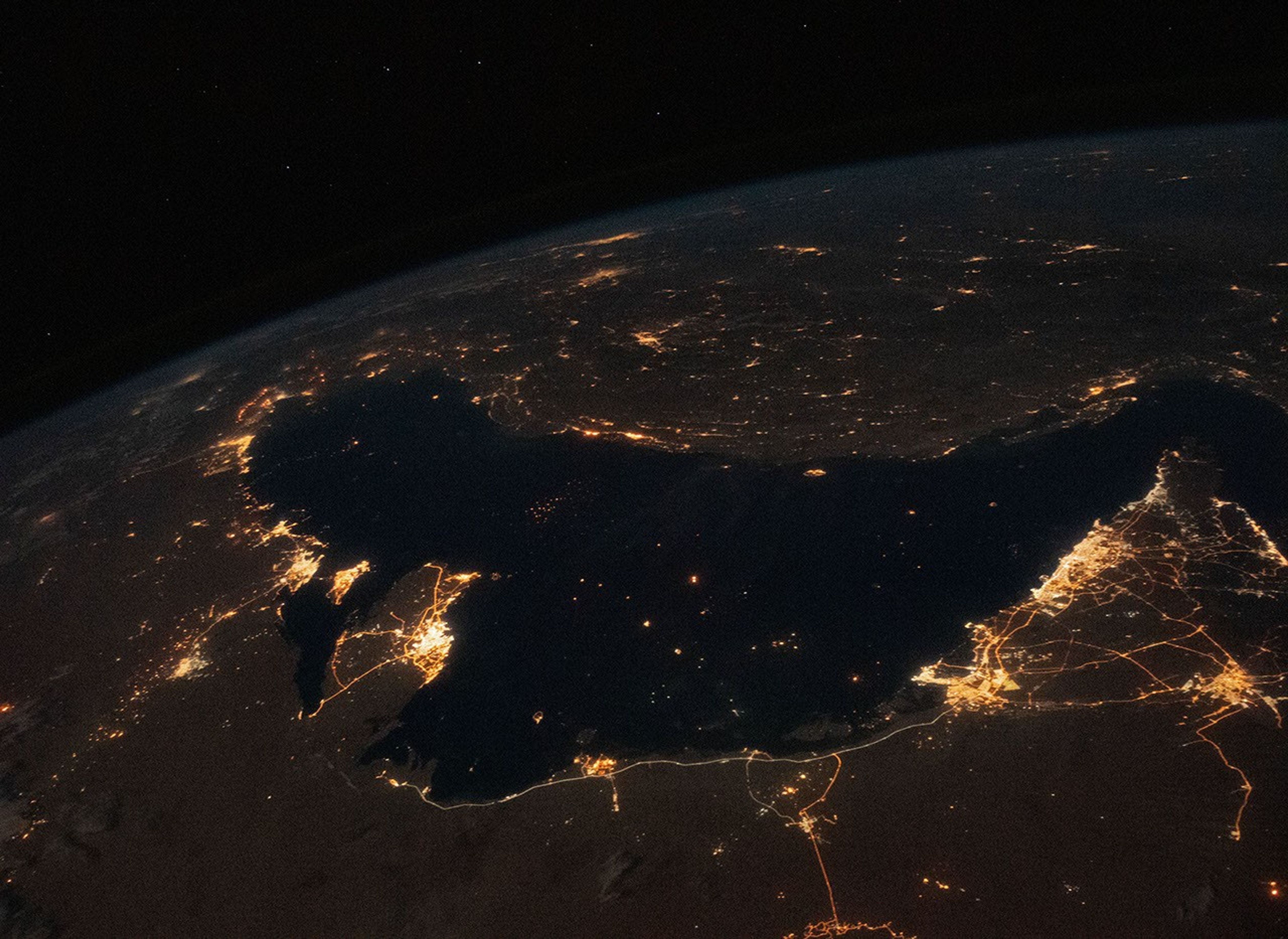
More than a month into the war that began on February 28, the Islamic Republic has moved from failed deterrence to a strategy that now threatens Iran’s survival as a state.
President Trump’s threat to strike Iran’s power plants and bridges if the Strait of Hormuz is not reopened shows how badly the Islamic Republic’s deterrence strategy has failed. It was supposed to prevent war. Instead, it is now putting Iran at risk of state failure.
From Failed Deterrence to State Failure
For more than two decades, the Islamic Republic spent huge national resources on three pillars of deterrence: the nuclear program, the missile program, and a network of regional proxies. The goal was simple. It wanted to make the cost of attacking Iran so high that no major military campaign would be launched against it.
The economic cost of this strategy was enormous. It is hard to measure it exactly. One study estimates that sanctions alone cost Iran about $1.2 trillion between 2011 and 2022. Other public estimates have put the broader long-term cost of Iran’s nuclear path at around $2 trillion or more. For a country like Iran, that is a huge price to pay.
The 12-day war of June 2025 showed the weakness of that strategy. Missiles, proxies, and Iran’s nuclear threshold status did not stop the attack. They did not protect Iran once the fighting began either. Most importantly, the nuclear program, which the regime had long presented as its ultimate shield, became a reason for attack rather than a source of protection.
After the 12-day war, the regime turned to a second form of deterrence. This one relied on geography and economics. Tehran made clear that if another war began, it would widen the conflict. It would target infrastructure in the Persian Gulf region and threaten the waterways, energy routes, and trade on which both the region and the wider world depend. The Islamic Republic followed through on that promise after the current war started. The message was clear: if Iran could not stop pressure directly, it would spread the cost across the Persian Gulf and beyond.
That strategy is also backfiring. Once infrastructure becomes a tool of pressure, it also becomes a target. The same power plants that serve civilian homes also supply military sites, underground facilities, and what the regime calls its missile cities. By attacking the infrastructure of others, the Islamic Republic is putting Iran’s own infrastructure in the line of fire. Trump’s threat shows where this logic can lead.
This is the state eating itself. By weaponizing the Strait of Hormuz and the economic life of the Persian Gulf, the regime is not only endangering others. It is also damaging its own oil income and burning the goodwill of the few states that might still prefer a diplomatic way out. A strategy presented as deterrence is consuming the conditions of Iran’s own survival.
Nezam Against Vatan
For years, the Persian Gulf countries helped Iran’s sanctions-busting system work. They provided the financial, commercial, and logistical channels that enabled Tehran to survive sanctions, pressure, and isolation. But when the current war began, the Islamic Republic was willing to put that same system at risk. The number of missiles and drones launched at Persian Gulf countries, compared with those launched at Israel, made that clear. This was not just spillover from the war. It was part of the regime’s logic of violence. The channels that helped the Islamic Republic survive sanctions also helped sustain the missile and drone production it now uses to threaten the region. The countries that enabled that system are now exposed to its consequences.
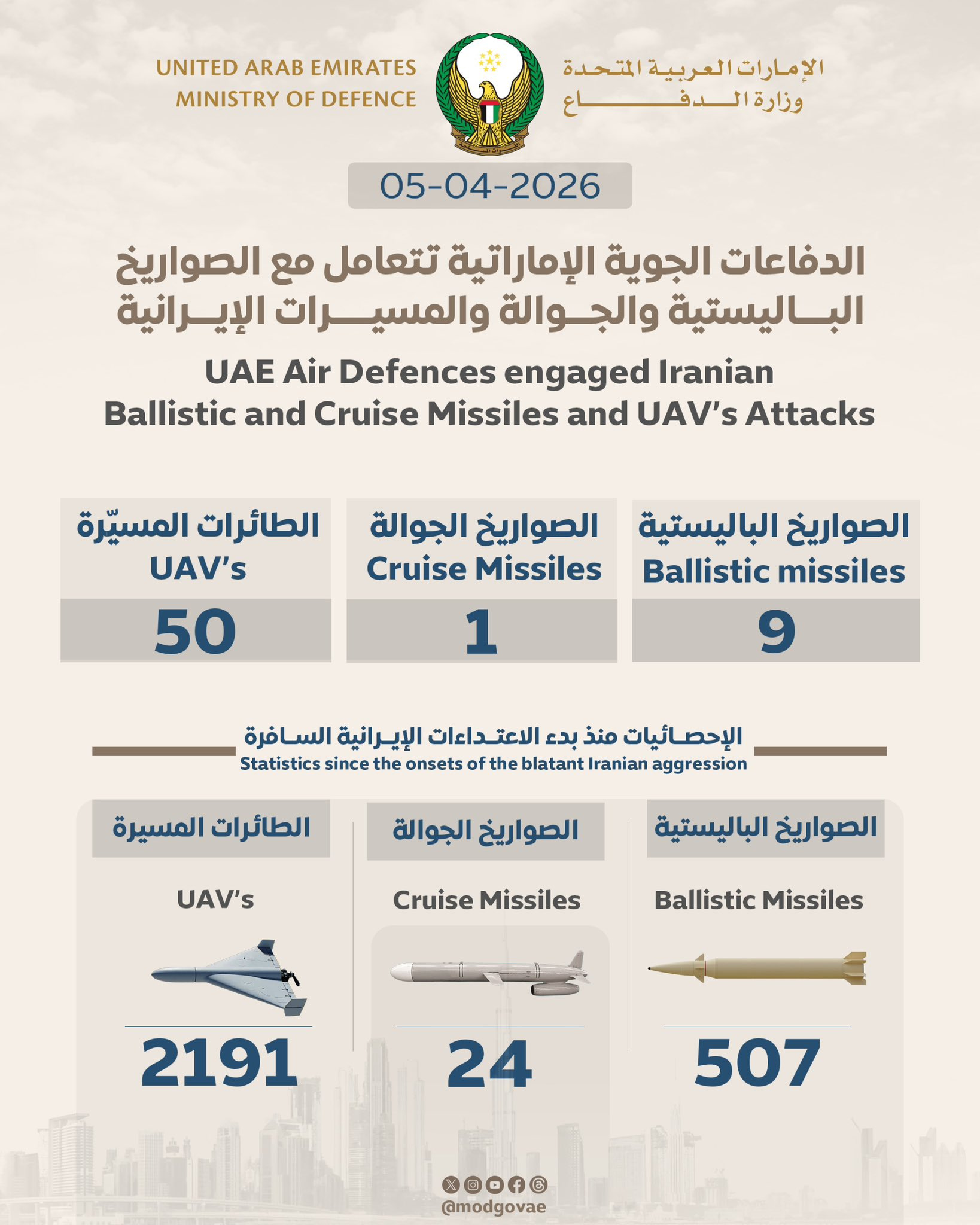
Now the wider region is experiencing what the Iranian people have endured for nearly half a century. At home, the regime kills at scale. Abroad, it spreads fear and destruction at scale. In both cases, the aim is the same: to preserve the system through violence. In January 2026, the regime killed thousands of its own citizens in a nationwide crackdown. Now, by widening the war and normalizing attacks on infrastructure, it is exposing those same citizens to the risk of retaliation from outside. A system that wages one war against external enemies and another against its own people cannot credibly claim to protect the nation.
That is why the distinction between Iran and the Islamic Republic matters. Iran needs stability, trade, investment, and a workable regional environment. The Islamic Republic has chosen something narrower: regime survival through coercion. The deterrent was built to save the Nezam. It is now helping destroy the Vatan.
The survival of the system has been decoupled from the survival of Iran as a country.
That is the real measure of failure. The regime spent national wealth on a first deterrence strategy that failed and backfired. It then turned to geography and economics as a second deterrence strategy, and that too is backfiring. The result is not security. It is a regime trying to save itself in ways that could destroy Iran as a state.
Great commentary. One similarity between the Islamic regime and the U.S. politicians (and probably most politicians worldwide) came to mind while reading this- they all purport and say otherwise, but by their actions they really believe that they (along with their bureaucrats) ARE the nation and are the only ones that matter. They are all willing to bargain as long as they get what THEY want.
Thank you for your wise commentary to the tragedy which is happening. Of course, we'd all agree about the distinction between Nezam (the oppressive system) and Vatan (the society). Regarding the other points of the story, I'd love to agree that the Nezam is hurting themselves - but I don't see it. Earlier in the article you pointed out that it's Iran that is being hurt - and that's correct: the Vatan, not the Nezam, is paying the price. It's been proven historically that in totalitarian systems, the members of the elite are the last to suffer - by contrary, often they position themselves in such a way that they benefit additionally on sanctions. I come from another country that once was dictatorial. In the time of worst oppression and international isolation, the government speaker cynically said in public: "the government will always have enough food". The examples of Cuba, North Korea, Syria and many more prove this scenario, and I can't see how this can be different here. That said, I am glad someone of your perspective, broader than mine thinks differently and that gives me hope :) To finish lightly, I want to leave reference to my Iran travel memoir of 2019, unfortunately also sad. Thank you for your story. https://nomadicmind.substack.com/p/too-much-said